
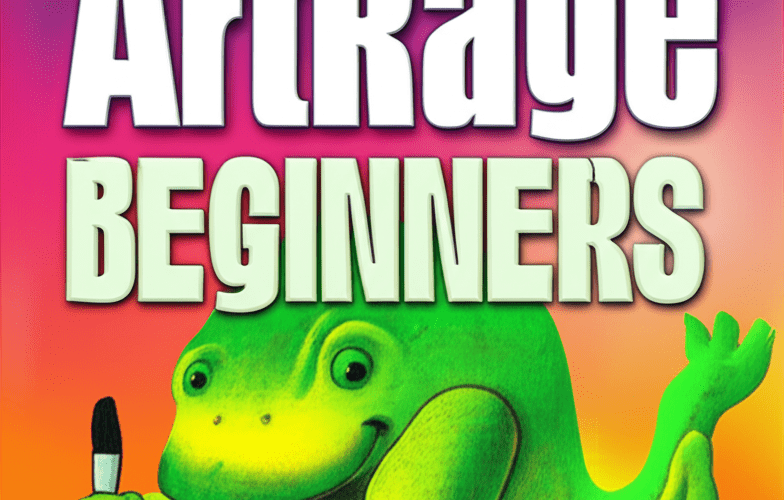
- ArtRage is a digital painting program that realistically mimics traditional art media, perfect for graphic designers looking for an organic feel.
- You can get started with ArtRage by downloading it, then exploring its intuitive interface and powerful tools.
- Creating your first digital painting involves setting up your canvas, choosing tools, and understanding layers.
- Essential techniques include using stencils, rulers, tracing images, and mastering blending.
- Advanced tips cover workspace customization, saving/exporting, and understanding how ArtRage compares to tools like Photoshop.
Hey there, aspiring digital artists! Ready to dive into a painting experience that feels incredibly real, but without the mess? ArtRage is a fantastic choice, especially for graphic designers who appreciate the tactile feel of traditional art. This guide is all about helping you get started with ArtRage for beginners, making your digital art journey smooth and fun.
ArtRage truly shines with its realistic paint simulation, letting you play with oils, watercolors, pencils, and more. It’s an approachable platform for anyone, whether you’re new to digital art or transitioning from physical canvases. Let’s get you creating your first digital masterpiece with confidence.
What exactly is ArtRage, and why should graphic designers consider learning it?
ArtRage is a digital painting software that masterfully emulates traditional art media. Think of it as your digital studio where oil paints feel thick and blendable, watercolors flow, and pencils sketch with real texture. For ArtRage for beginners, it means you can enjoy the creative freedom of painting without needing to buy, store, or clean up physical art supplies.
Learning ArtRage bridges the gap between classic art techniques and modern digital creation. Its intuitive design lets you focus on your artistic vision instead of getting lost in complicated menus. Whether you’re a seasoned artist exploring digital mediums or just starting out, ArtRage offers a rewarding and incredibly realistic painting experience, enhancing your skills as a graphic designer. It also helps you explore different file formats in graphic design as you save and export your work.
How do you get started with ArtRage?
Starting your ArtRage journey is pretty exciting! This section will walk you through the ArtRage basics, from installation to navigating its workspace, setting a solid foundation for your creative adventures.
How do I download and install ArtRage?
First things first, you need to grab ArtRage. You can buy it directly from the official Ambient Design website or through various app stores, depending on your device (it’s available for Windows, macOS, iOS, and Android). Just follow the regular installation steps for your operating system.
Once it’s installed, launch ArtRage. You’ll be greeted by a clean, focused interface, ready for you to explore. This initial setup is key for any ArtRage for beginners tutorial, ensuring you’re all set to create.
What are the key elements of the ArtRage interface?
ArtRage’s interface is designed to keep your focus on the canvas. Here are the main things you’ll see:
- Tool Picker: This handy wheel at the bottom lets you select various painting tools like oils, watercolors, pencils, and pastels.
- Color Picker: Another wheel, usually accessible from the bottom menu, helps you choose your paint colors.
- Settings Panels: These panels (like Layers, Presets, Tracing Image) pop out when you need them, giving you control over different aspects of your artwork.
- Canvas: This is the big central space where all your digital artistry comes to life.
Getting comfortable with these basic elements is the first step in learning ArtRage effectively and enhancing your graphic design skills.
Which basic tools should I understand in ArtRage?
ArtRage provides a rich set of tools, each behaving in its own unique way:
- Oil Brush: Lays down thick, blendable paint that mixes beautifully right on your canvas.
- Watercolor Brush: Creates translucent washes that flow and mix with a lovely realism, mimicking real watercolors.
- Pencil: Perfect for sketching, offering authentic graphite and colored pencil effects, essential for precise pencil work.
- Palette Knife: Use this for blending and spreading paint you’ve already applied to the canvas, just like a physical palette knife.
- Eraser: Removes paint and marks, performing exactly like a traditional eraser.
Playing around with these tools is crucial for mastering ArtRage for beginners. Don’t hesitate to try different brush sizes and pressure settings to see what they do.
How do I create my first digital painting in ArtRage?
Now that you know your way around the interface, let’s get creative! This ArtRage tutorial will guide you through setting up your canvas, picking your tools, and starting your very first digital painting.
How do I set up my canvas in ArtRage?
When you open ArtRage, you’ll typically see a new canvas waiting for you. You can tweak its size and texture by heading to File > New Painting. Pick a canvas size that fits your project and a paper texture that resembles the surface you’re aiming for. This initial setup really impacts how your digital paint interacts with the surface, which is a core part of ArtRage design.
How do I choose paint and brushes in ArtRage?
Select your preferred tool from the Tool Picker – maybe grab the Oil Brush to start. Then, pick a color from the Color Picker. You can fine-tune the brush size, pressure, and paint thickness in the Tool Settings panel that pops up when you select a tool. These settings give you incredibly precise control over your brushstrokes.
Why is layer management important in ArtRage?
Layers are super important in digital art! They let you work on different parts of your painting independently. Open the Layers panel (it’s usually a tab on the side). Click the ‘+’ icon to add a new layer. You can rearrange, hide, or adjust the transparency of layers. This non-destructive way of working is vital for any ArtRage guide, allowing you to make flexible changes without ruining your original work.
How do I apply color and texture in ArtRage?
Time to start painting! Observe how the paint reacts with previous strokes and the canvas texture. ArtRage is famous for its realistic blending. Try using different tools to add various textures. For instance, a dry brush can create a gritty texture, while a loaded oil brush can build up thick impasto effects. If you’re looking for different approaches to handling color and texture, exploring ArtRage alternatives can be quite insightful.
What are the essential design techniques in ArtRage?
Beyond basic strokes, ArtRage offers powerful features to really boost your ArtRage design. Using these techniques will elevate your artwork and expand your creative possibilities.
How can stencils and rulers enhance ArtRage designs?
ArtRage includes stencils and rulers to help you create precise shapes and lines. You’ll find these in the Stencils panel. Drag a stencil onto your canvas, and it’ll act as a mask, keeping your paint neatly within its boundaries. Rulers help you draw perfectly straight lines or smooth curves. They are invaluable for adding structure and detail to your pieces.
How can I use tracing images in ArtRage for reference?
If you want to use a reference image, ArtRage’s Tracing Image feature is perfect. Load an image from the Tracing panel, and it will appear overlaid on your canvas. You can adjust its opacity to make tracing easier. This is an excellent method for ArtRage for beginners to practice drawing or painting complex subjects without having to start from scratch.
What are the best blending and smudging tips for ArtRage?
One of ArtRage’s biggest strengths is its natural blending capabilities. Grab the Palette Knife tool to manually blend colors on the canvas, just like you would with real paint. You can also use a lightly loaded brush and let the digital paint mix on its own. Understanding these blending nuances is crucial for crafting realistic light and shadow in your ArtRage projects.
How do Sticker Spray and Cloner tools work in ArtRage?
The Sticker Spray and Cloner tools offer unique ways to add complex textures or replicate elements. Sticker Spray lets you paint with pre-defined or custom images, perfect for creating intricate patterns or natural elements like foliage. The Cloner tool allows you to sample parts of your canvas or a reference image and paint with them – great for duplicating textures or fixing areas. For a deeper dive into these and other features, you might find more specialized ArtRage tips quite useful.
What advanced tips can help aspiring ArtRage artists?
Once you’ve got a handle on the ArtRage basics, you can start exploring more advanced features to refine your workflow and create even more stunning art. This ArtRage guide will touch upon personalizing your space and managing your artwork.
How can I customize my ArtRage workspace for efficiency?
ArtRage lets you heavily customize your workspace. You can move panels around, create your own tool presets, and even save different workspace layouts. This personalization ensures your most-used tools and settings are always right where you need them, boosting your efficiency and making your ArtRage experience more enjoyable.
What are the best ways to save and export ArtRage artwork?
Always remember to save your work regularly! Head to File > Save Painting to save your project in ArtRage’s native PTG format, which keeps all your layers and paint data intact. When you’re ready to share your masterpiece, use File > Export Image to save it as a JPEG, PNG, or TIFF file. These formats are perfect for web sharing or getting your artwork printed. You can learn more about ICO file types or other image formats to decide the best export option.
ArtRage vs. Photoshop: Which digital painting software is better for designers?
While both ArtRage and Photoshop are powerful digital art tools, they serve different primary purposes. ArtRage truly excels at realistic paint simulation, offering an organic, tactile painting experience. Photoshop, on the other hand, is a comprehensive image manipulation and editing powerhouse with broader graphic design capabilities. Understanding their differences helps you pick the right tool for specific projects. For a detailed comparison, check out our article on ArtRage vs Photoshop.
How can I unlock more potential with ArtRage tips?
To truly master ArtRage for beginners and beyond, keep digging into its features. Explore custom brushes, advanced blending modes, and the various utility panels. The ArtRage community is also a fantastic resource for discovering new techniques and finding inspiration. Consistent practice and experimentation will sharpen your skills and help you develop your unique digital artistic style.
Common Questions About ArtRage for Beginners
Here are some frequent questions to help you further along your ArtRage journey:
- Is ArtRage good for beginners? Yes, absolutely! ArtRage is highly recommended for beginners because its intuitive interface and realistic traditional media simulation make it very easy to learn.
- What is the best way to learn ArtRage? The most effective way to learn ArtRage is through hands-on practice, following tutorials (like this guide for ArtRage for beginners), and actively experimenting with its diverse tools and settings.
- What kind of art can you make with ArtRage? ArtRage is excellent for painting, sketching, drawing, and mixed media art, offering a wide array of realistic effects, from rich oils to delicate watercolors and soft pastels.
- Does ArtRage have layers? Yes, ArtRage features a robust layer system, which allows artists to work on different elements of their painting independently, providing immense flexibility and control.
- Can you use a drawing tablet with ArtRage? Definitely! ArtRage fully supports drawing tablets, significantly enhancing the control and expressiveness of your digital painting experience. Consider the right laptop specs for graphic design to ensure optimal tablet performance.
You’ve now taken significant steps in understanding ArtRage for beginners. From getting it installed to exploring advanced techniques, this guide has armed you with the knowledge to kickstart your digital art journey.
Here are the key takeaways:
- ArtRage offers an intuitive platform that beautifully mimics traditional art.
- Start with the basics: installation, interface navigation, and tool experimentation.
- Layers are your friend for flexible and non-destructive artwork.
- Don’t shy away from features like stencils, tracing images, and advanced blending.
- Consistent practice is essential for mastering any digital art tool.
ArtRage provides an incredible canvas for your imagination. Keep learning ArtRage, push your creative boundaries, and unlock your full artistic potential. Happy painting!
Authoritative External Resources: