
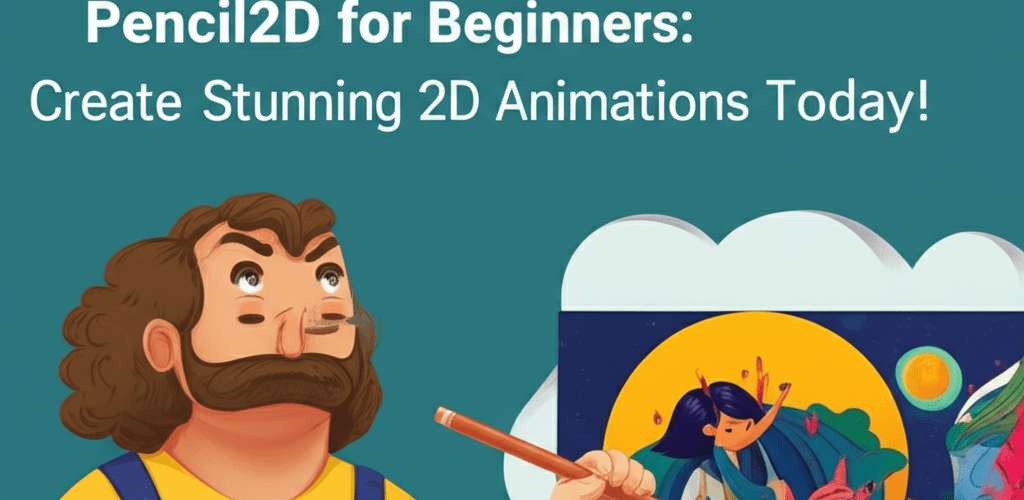
- What is Pencil2D? It’s a free, open-source 2D animation software perfect for hand-drawn animation using both bitmap and vector graphics.
- Why is Pencil2D great for beginners? Its simple interface and essential toolset make it easy to learn fundamental animation principles without getting overwhelmed.
- How do I get started with Pencil2D? Download and install it from the official website, then familiarize yourself with the canvas, timeline, and basic drawing tools.
- Can I export my animations? Yes, you can export your creations as image sequences, GIFs, or video files.
- Does it support drawing tablets? Absolutely! Pencil2D supports pressure sensitivity, a big plus for digital artists.
Ready to jump into the exciting world of 2D animation? For aspiring animators and digital artists, Pencil2D for beginners offers an intuitive and powerful open-source solution to bring your ideas to life. This guide will help you master the software, taking you from your very first sketch to your initial animated sequence. You’ll grasp the core functionalities and fundamental techniques needed to start creating captivating 2D animations and drawings.
Pencil2D for beginners is a free, open-source 2D animation software that lets you create hand-drawn animations using both bitmap and vector graphics. It’s ideal for newcomers because of its straightforward interface and essential toolset for drawing, painting, and animating frame-by-frame. To get going, simply download and install the software from its official website, then take a moment to explore its canvas, timeline, and basic drawing tools.
What is Pencil2D, and why is it a top choice for aspiring 2D animators?
Pencil2D is a lightweight, cross-platform 2D animation software known for its minimalist design. This makes it a fantastic starting point for anyone eager to dive into 2D animation without a steep learning curve. It fully supports traditional hand-drawn animation techniques, enabling you to create fluid, frame-by-frame sequences. Its simplicity means you can truly focus on the art of animation rather than getting lost in complex menus.
For those taking their first steps, Pencil2D for beginners provides all the necessary tools without overwhelming you with advanced features often found in more complex software. It’s perfect for understanding animation’s fundamental principles, like timing and spacing, before you consider more sophisticated animation tools. If you’re weighing your options, Pencil2D truly stands out for a genuine beginner experience.
How do I begin animating with Pencil2D as a complete beginner?
To truly learn Pencil2D for beginners, the journey starts with installation and a quick tour of its workspace. Let’s get your environment set up and understand the layout.
Where can I download Pencil2D and how do I install it?
Getting Pencil2D onto your system is super straightforward:
- Head over to the official Pencil2D website.
- Download the version that works with your operating system (Windows, macOS, Linux).
- Run the installer and just follow the prompts on your screen.
- Launch Pencil2D, and you’re ready!
Once it’s installed, you’re all set to check out essential Pencil2D tips for making your workflow smoother.
What are the essential tools and panels in the Pencil2D interface?
The Pencil2D interface is designed for clarity, so you’ll quickly get the hang of it. Here’s a quick rundown:
- Canvas: This is your main drawing area, where all your creative magic happens.
- Toolbox: You’ll find this on the left, packed with your drawing, selection, and color tools.
- Color Palette: Located at the bottom, this is where you pick your colors.
- Timeline: Absolutely crucial for animation, it’s at the bottom, showing your frames and layers.
- Options Panel: Usually on the right, it gives you settings for whatever tool you currently have selected.
Navigating the interface as a Pencil2D for beginners feels natural, helping you quickly get comfortable and start creating.
How do I start a new animation project in Pencil2D?
Starting a new project is super simple. Just go to ‘File’ > ‘New’ or click on the ‘New’ icon. You’ll see a blank canvas, completely ready for your creative input. This is the real beginning of your journey to truly learn Pencil2D for beginners, where you can experiment freely with different tools and techniques.
What are the key techniques for effective animation learning in Pencil2D?
To learn Pencil2D effectively, you’ll need to understand how to manage layers and manipulate the timeline for animation. These are core concepts in any 2D animation software, helping you bring your ideas to life.
How do layers work for better Pencil2D design and animation control?
Think of layers like transparent sheets stacked on top of each other. They let you draw different elements independently. For example, you might have one layer for your character, another for the background, and a third for special effects. This approach gives you much greater control over individual elements in your Pencil2D design. You can easily add new layers, duplicate existing ones, and change their order right in the timeline panel.
Can you walk me through creating my first animation using keyframes and the timeline in Pencil2D?
The timeline is where the animation magic truly happens. Here’s a basic Pencil2D tutorial for beginners on creating a simple animation:
- Select the ‘Bitmap’ layer in your timeline.
- Draw your very first frame on the canvas.
- Click the ‘+’ button on the timeline to add a new keyframe; this conveniently duplicates your previous frame.
- Make a slight, incremental change to your drawing on this new frame.
- Repeat steps 3 and 4 for several frames, making small changes each time.
- Hit the ‘Play’ button to watch your animation come to life!
This frame-by-frame technique is the heart of traditional animation and a key aspect of any good Pencil2D tutorial for beginners.
How can I apply basic design principles to my Pencil2D projects?
Once you’ve got the basics down, applying some fundamental design principles will genuinely elevate your work. Whether you’re focusing on character art or creating immersive backgrounds, thoughtful design makes a huge difference.
What are effective strategies for designing characters in Pencil2D?
When you’re designing characters, really think about their silhouette, proportions, and expressions. Use Pencil2D’s various brushes and colors to give them their unique look. Start with simple shapes and gradually build up the details. And remember, consistency in design throughout your animation is super important. The choice between Pencil2D vs Photoshop is significant for character design, though for Pencil2D for beginners, mastering its core tools is your best bet.
Tips for creating compelling backgrounds in Pencil2D animations?
Backgrounds really set the scene for your animation. You can draw them on a separate layer, or even import pre-made images if that suits your project. Focus on creating depth and atmosphere to draw your viewer in. Even for Pencil2D for beginners, experimenting with simple environments can significantly enhance your animated scenes.
Common Questions about Pencil2D for Digital Artists
Still have questions about how to use Pencil2D for beginners? Let’s tackle some common queries:
- Is Pencil2D truly free? Yes, Pencil2D is completely free and open-source software, making it accessible to everyone.
- Can I export my animations from Pencil2D? Absolutely! You can export your creations as image sequences, GIF, or video files, perfect for sharing.
- Does Pencil2D support pressure sensitivity for drawing tablets? Yes, Pencil2D fully supports pressure sensitivity, which is fantastic news for digital artists using tablets.
- Where can I find more resources for a Pencil2D tutorial for beginners? Besides this guide, the official Pencil2D website, YouTube, and various animation forums offer extensive resources and a supportive community.
Wrapping Up Your Animation Journey
You’ve taken fantastic first steps into 2D animation with Pencil2D for beginners. You now have the foundational knowledge, from installation and navigating the interface to creating your first animated frames. The key to mastering this, or any creative software, is consistent practice and daring to experiment.
- Start simple: Don’t be afraid to try new tools and techniques.
- Explore: Dive into different animation styles and challenge yourself with new projects.
- Connect: The open-source community around Pencil2D is a treasure trove of learning and inspiration.
Keep drawing, keep animating, and most importantly, keep having fun! Your creative journey with Pencil2D for beginners has just begun.
Further Resources: